


RANKFURT AM MAIN, Germany – Eurobike remains worthy a visit for bicycle designers. This latest edition from 21 to 25 June 2023 was also brimming with innovation. Dutch dicycle designer Peter van der Veer reflects on the latest trends in design and form. He mainly saw a trend of an increasing number of different models in longtails, cargo, compact and fat bikes.
During the tradeshow it was once again clear to see how the bicycle industry is buzzing with innovation. Visitors were inundated with new models, especially in the longtail, cargo, compact and fat bike categories. It is clear that manufacturers do not want to be left behind, but whether there is really enough market for so many variants and models is doubtful.
Cargo bikes better in terms of design
Jane Cooper
Innovation in the bicycle industry has always come in waves, and those waves flow effortlessly into each other. The emergence of the cargo bike made the bicycle attractive to many young families as a safe, affordable and healthy alternative to extensive car use. The electric support is perhaps the most logical application for this category and is therefore widely offered.
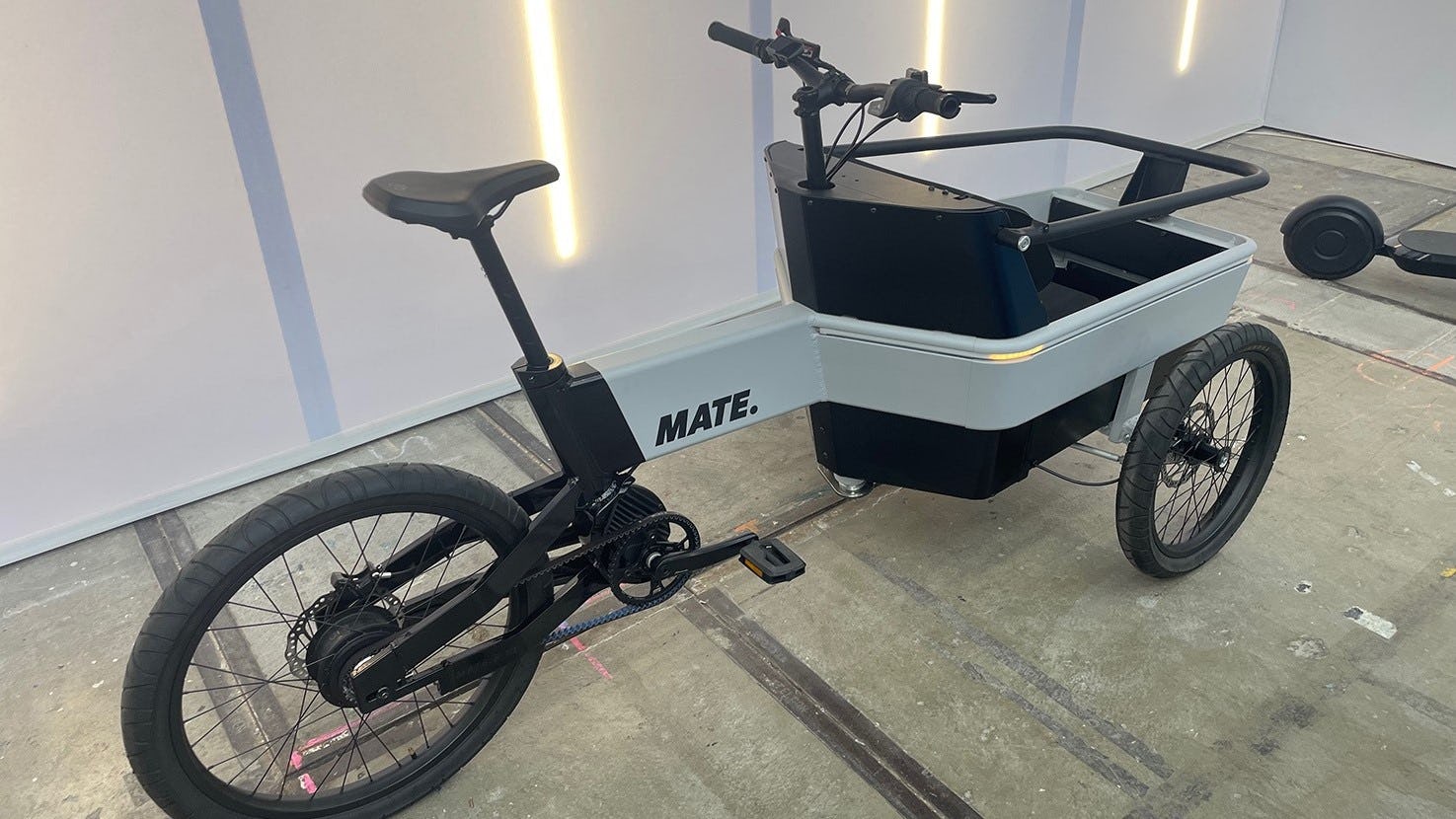
As a designer, I can conclude that the cargo bike (although I have some difficulty seeing children as ‘cargo’), has now really come of age. And I mean design-technically: the cargo bikes are no longer converted bicycles with a box screwed on. For example, the frame often runs logically from the rear fork to the front.
Fat bikes reflect a relaxed lifestyle
At the moment, the fat bike is perhaps the most eye-catching new trend in bicycle development. Sturdy models especially appeal to the youthful rider. A fat bike does not excel in good cycling characteristics such as optimal ergonomics of the saddle position and design of the seat. The buddy seat is guaranteed to cause irritation on the inside of the upper legs during long journeys. Don’t worry: these bikes are not intended for longer distances. There is also often a ‘secret’ throttle position, so that you hardly have to pedal at all.
Fat bikes are lifestyle products for everything. When you move on a fat bike you identify with a relaxed, tough, contemporary lifestyle. It is therefore important what such a bicycle looks like.
The origin of the iconic fat bike image comes from the classic motorcycle and moped design world. Fat bikes naturally have fat tyres, but the double continuous front fork that is held securely between two plates outside the headset is also a characteristic element. In front of the steering head is a large, round headlight, the saddle is a buddy seat and everything is held together by a cradle frame.
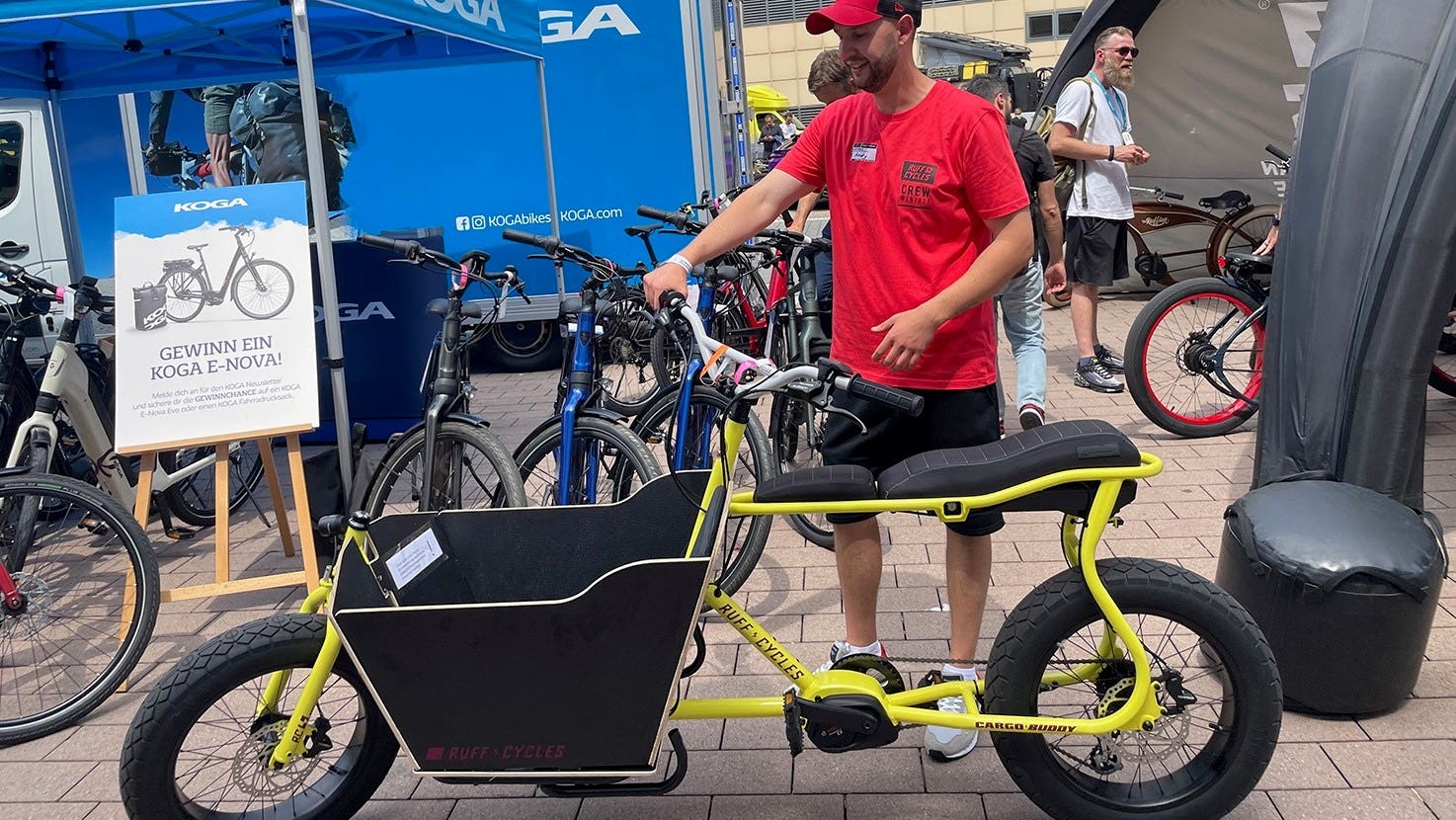
It’s cool to see how many variants with their own characteristics the designers manage to make on this theme. The battery pack is often hidden in the buddy seat, such as with the Gasgas, but others give the battery a prominent place in/on the frame where it can be removed relatively easily, such as with the Kuiperbelt or Onemile. And yes, it was inevitable: a real cargo bike, based on a pure fat bike, the Cargo Buddy from Ruff cycles. This is the merging of the two, currently most current bicycle design trends.
New longtails variants
Last year we already signalled the strong rise of the ‘longtail phenomenon’. Looking for an alternative to the cargo bike, the bicycle industry sees opportunities for more uses by means of an extra-long luggage carrier on a frame with extended rear forks. In my opinion, Tern is an important pioneer of this design movement.


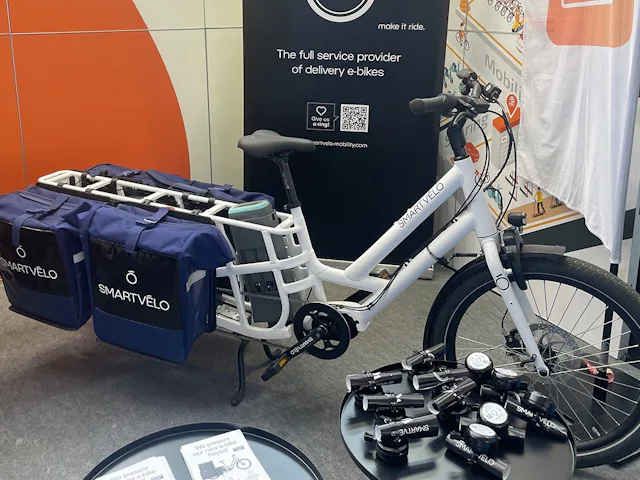
The Creme and Smart Velo brands have made a longtail variant with a relatively large front wheel and small rear wheel. Many people continue to associate small wheels with less pleasant driving behaviour, especially in places where the road surface is bad.
Eurobike Awards
Designers who visit the Eurobike usually first visit the exhibition of the prize-winning innovations. This year the expo within the show was a bit disappointing. The prize winners looked very modest. No beautiful displays, no extra highlighting and virtually no explanation about the background of the design, let alone anything about the jury’s vision.
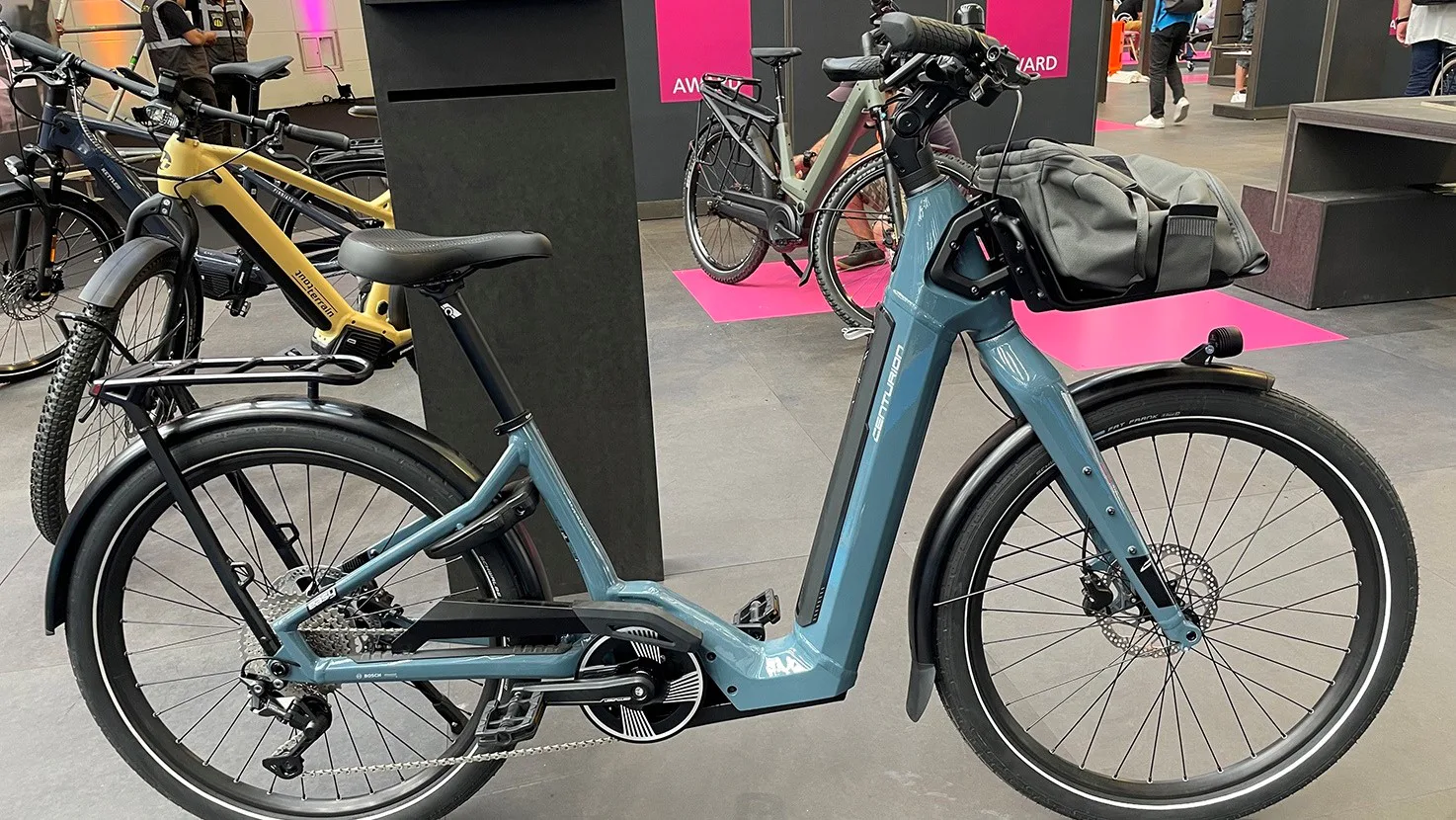
I think it is worth mentioning the Centurion ultra-low entry e-bike. The contemporary e-bike frame with the ‘in-tube battery’ has a cunning extra lowered part that even the most rigid senior has a good chance of wriggling his or her foot over. What I do wonder is whether the handlebars have not become too far from the saddle due to the frame extension that the lowering entails for the mid-engine.
Other notable designs
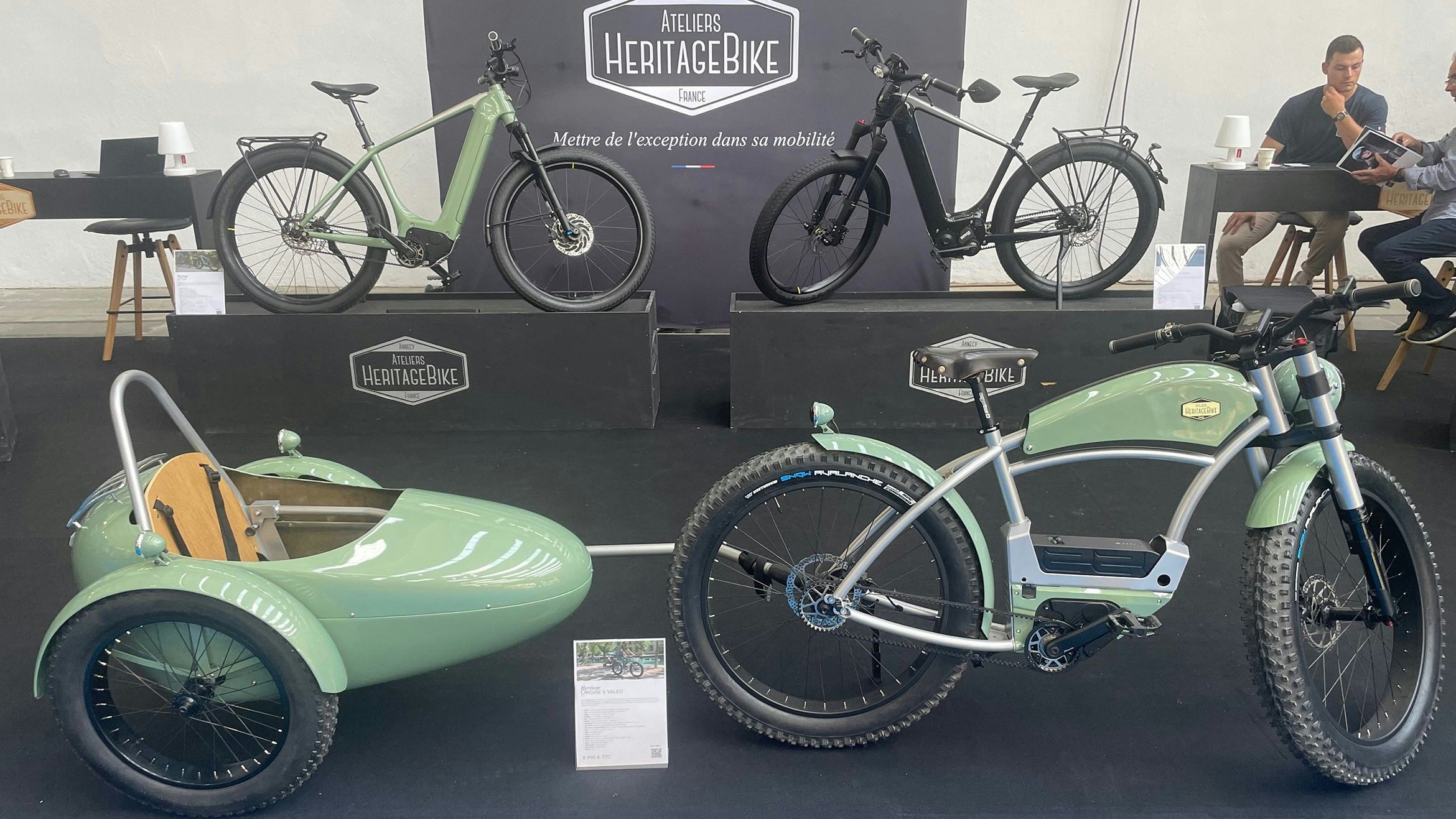
It is of course impossible to discuss all the other innovations of the 1,900 Eurobike participants in this article. In my opinion, one of the most beautiful eye-catchers of the Eurobike was the Heritage Origine X Velo (€8,990) with Heritage Side trailer (€4,990).
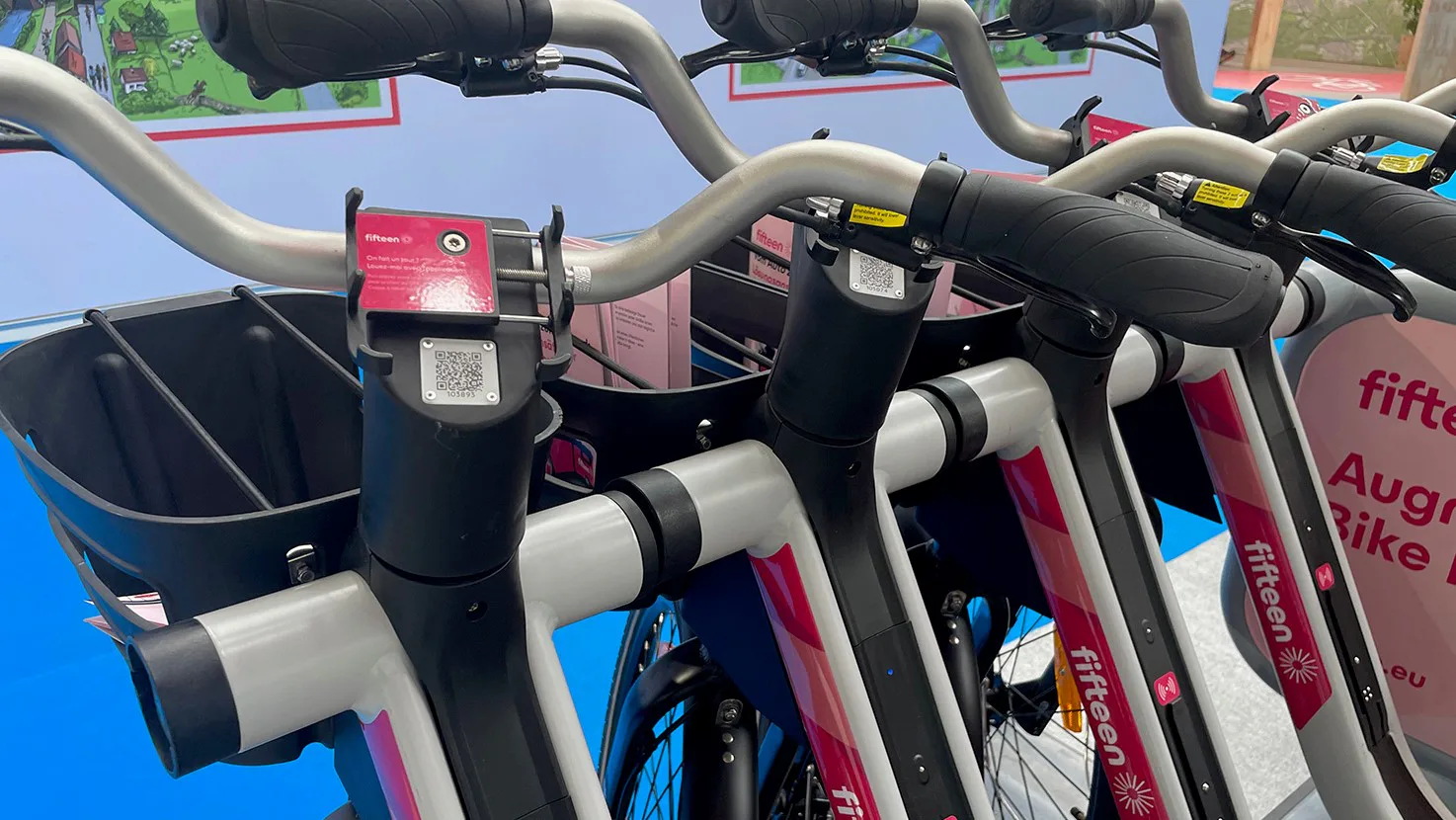
The French bike-sharing provider Fifteen showed a bike-sharing design that appears to be very smart to store. In principle, the bicycles are placed loosely against each other, but two magnetic coupling elements ensure that the bicycles are arranged neatly in a row and are therefore compact. When the bikes are removed for use, there is no bike rack left that can get in the way or act as a collector of street dirt.”


 Greek
Greek  English